Analysis
Labor & Logistics
A new monthly newsletter on the logistics industry in the United States
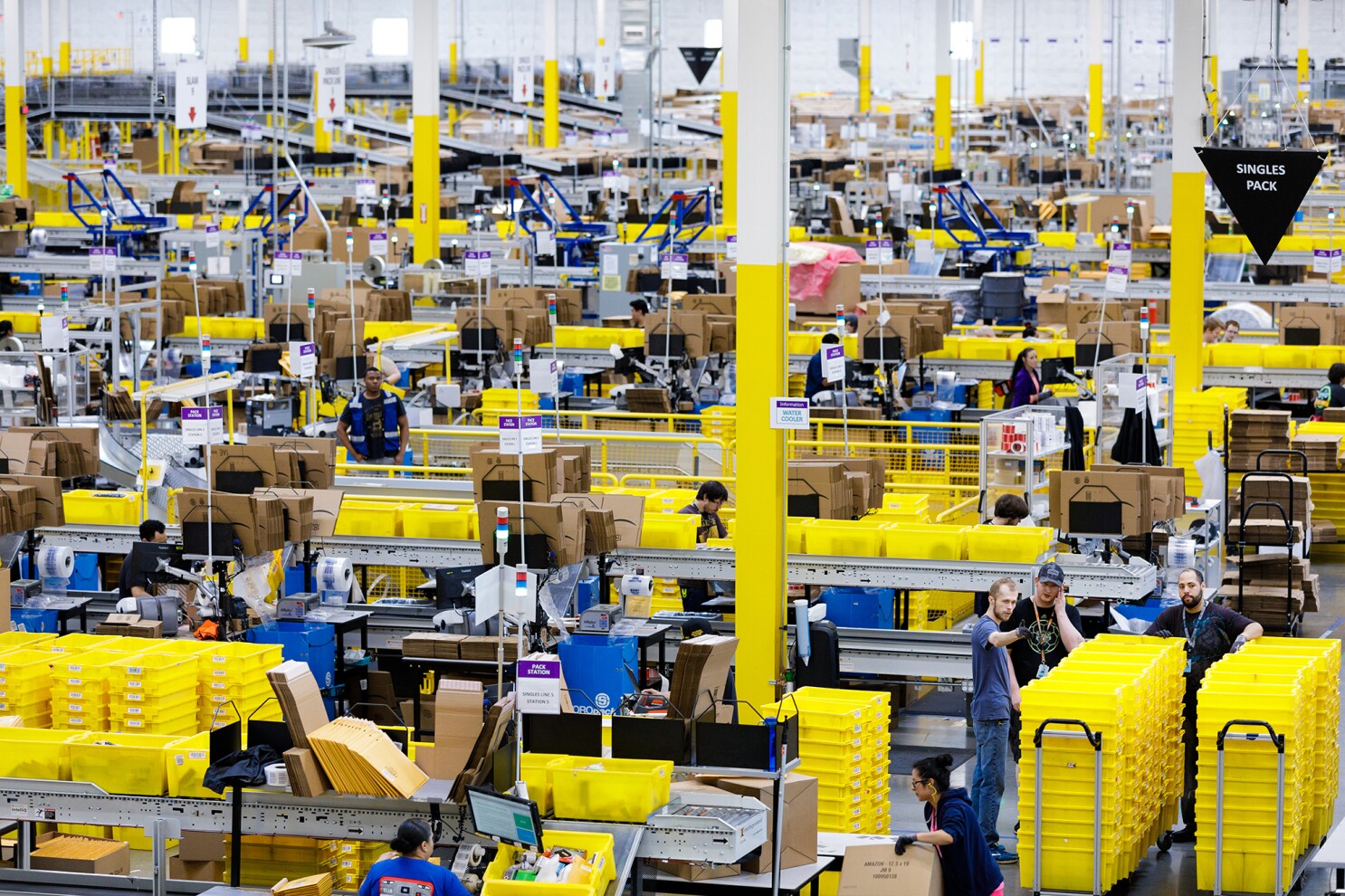
The largest private-sector employers in the United States today are a mix of retail and parcel companies that have all built out sophisticated logistical operations. In the post-war era, the largest employers were all in manufacturing, and warehousing and distribution were both seen merely as supporting long production runs. In 1962, management theorist Peter Drucker referred to distribution as “the economy’s dark continent.”
As America deindustrialized and the big retailers gained the ability to closely track consumer behavior through point of sale data, the United States broadly shifted from an economy where goods were “pushed” to market by the big manufacturers to one where they were “pulled” to market by the big retailers. Today companies like Walmart, Amazon, Target, and Home Depot dominate the supply chain, dictating terms to manufacturers, ocean carriers, and third-party logistics firms alike. Their corporate control also extends to labor; the wage stagnation and decline in working conditions that have attended the shift from a “push” to a “pull” economy are well-documented.
While there is a great deal of attention paid to supply chains today, especially after the disruptions of the Covid-19 pandemic, the logistics industry is still difficult to grasp, given its state of flux—the disruption of traditional retail with e-commerce, new warehousing automation and industrial AI, and broader political developments driving supply chain diversification. That flux poses new threats to workers in logistics and transportation, but also new opportunities for asserting structural leverage. This monthly column—a complement to the On the Seams research and newsletter project—is dedicated to understanding the flux of the logistics industry, and discovering where that leverage lies.
Further Reading

Trade and the Manufacturing Share
Tariffs, manufacturing, and US capital controls
One of the concerns in American policy circles in recent years has been the long-term impact of foreign trade and industrial policies on the health...

Illusions of Decontrol
The myth of Germany’s “social market economy”
The founding myth of modern Germany can be traced back to June 20, 1948, when Ludwig Erhard, economic director of the Anglo-American occupation zone in...

Gender and the Great Resignation
Dynamics of gender and class in the Covid-era labor market
The much anticipated “return to normal” after the Covid-19 pandemic has been anything but. In contrast to the aftermath of previous economic crises, workers have...