Homepage

October 22, 2026
Interviews
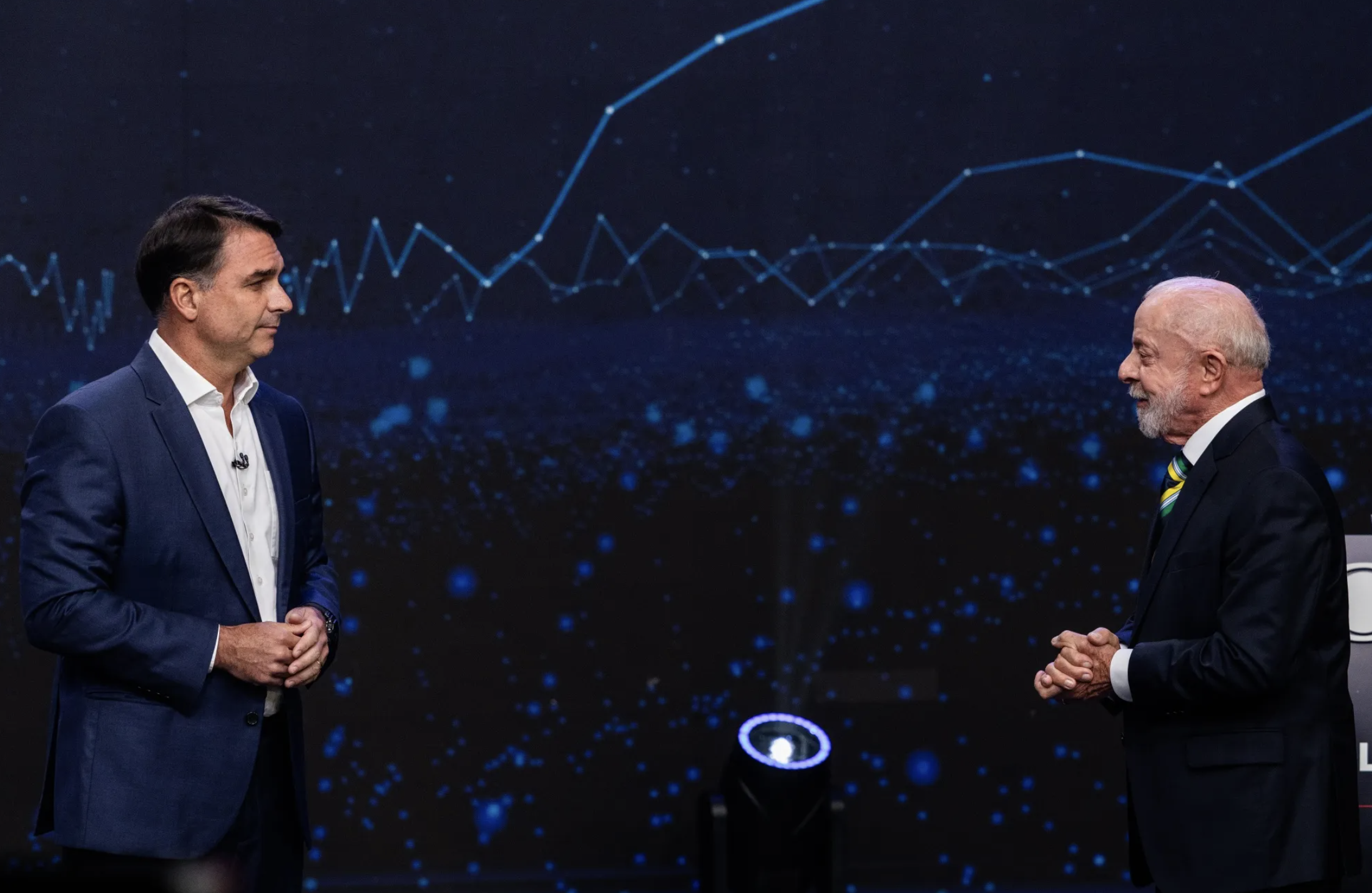
The Brazilian Pendulum
Lula’s former press secretary on the pendulum swing of Brazilian elites between authoritarianism and democracy
Most recent
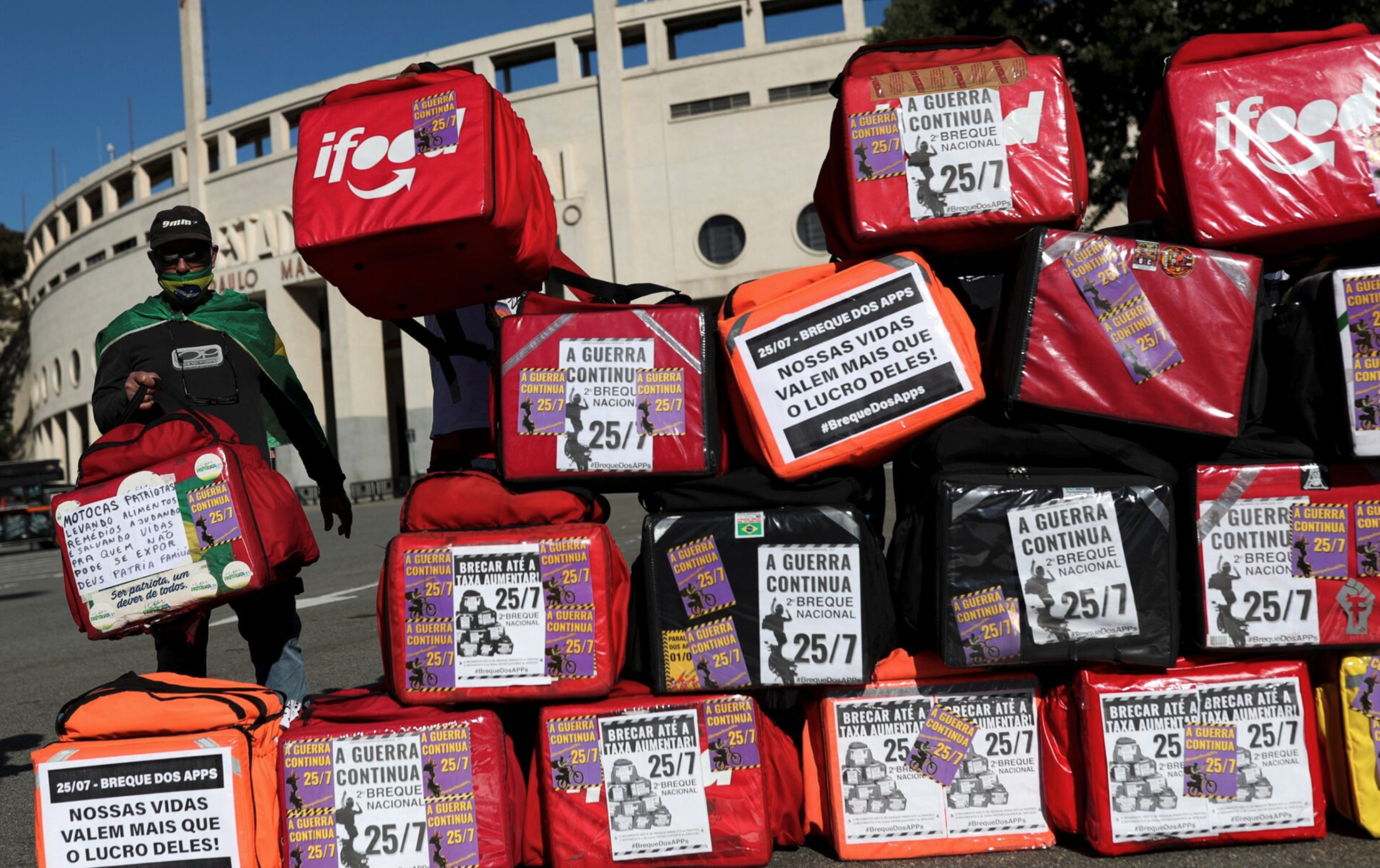
Who Will Create the Jobs?
Jobs, votes, and structural change in the Brazilian economy

Brazilian Crossroads
The 2026 elections reveal a new balance of power in Brazil between the Workers’ Party, the anti-democratic right, and the Centrão
Issue 1
American Power

Narratives of US decline are coinciding with explosive expressions of US dominance. Are we witnessing the transition between hegemons? The official dawn of multipolarity? Or force and hubris continuous with the Cold War and the unipolar moment? The first issue of Phenomenal World features thirteen essays and interviews on American power.

Sign up
Our weekly Saturday newsletter, with new articles and bonus material, new issue updates, event invitations, and more.
Most Recent
Eurosclerosis or US Decline?
The debate about US and European competitiveness illustrates how narratives of economic decline and triumphalism tend to outrun their evidence
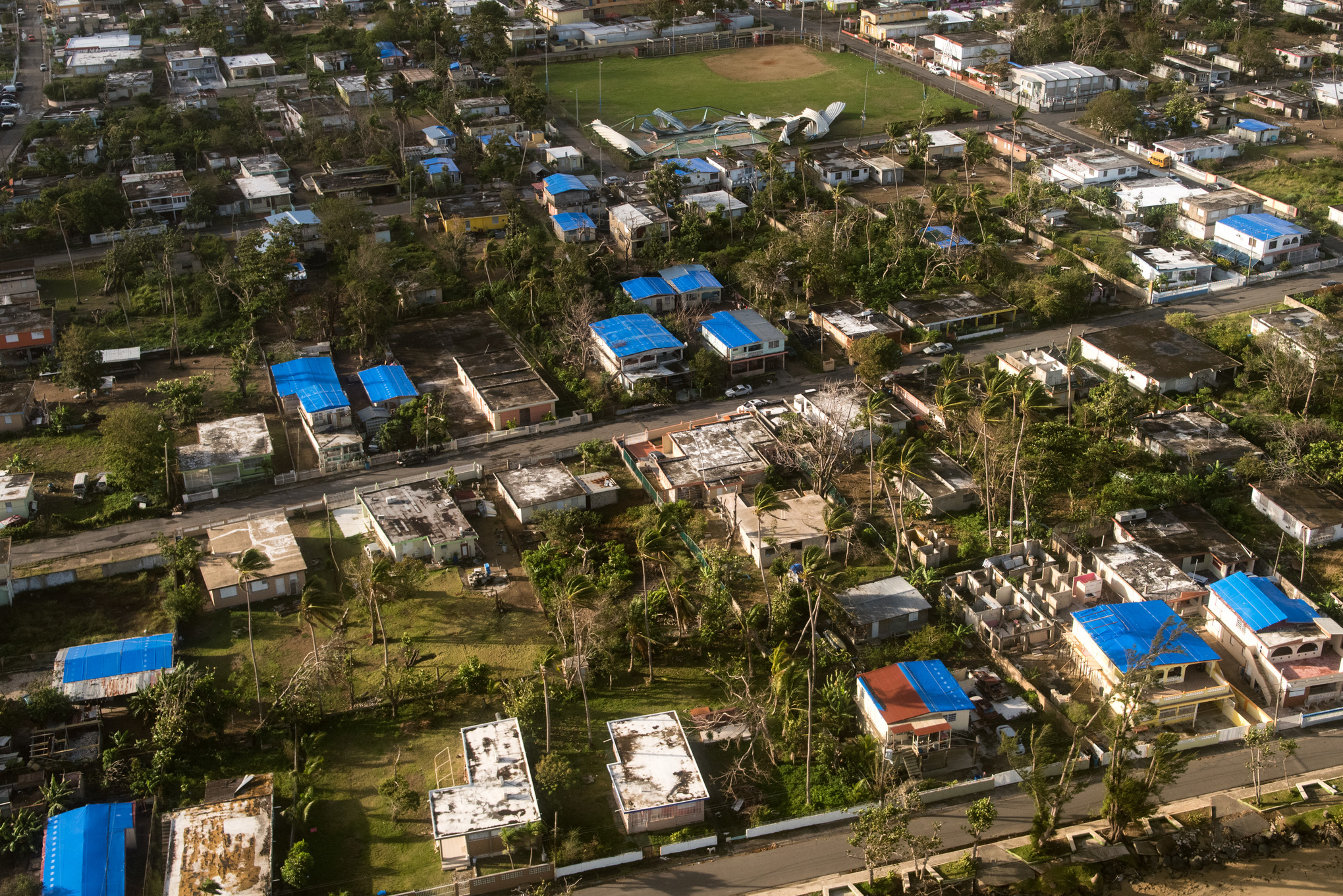

Private Leverage, Public Costs
How hedge fund speculation destabilized the bond market
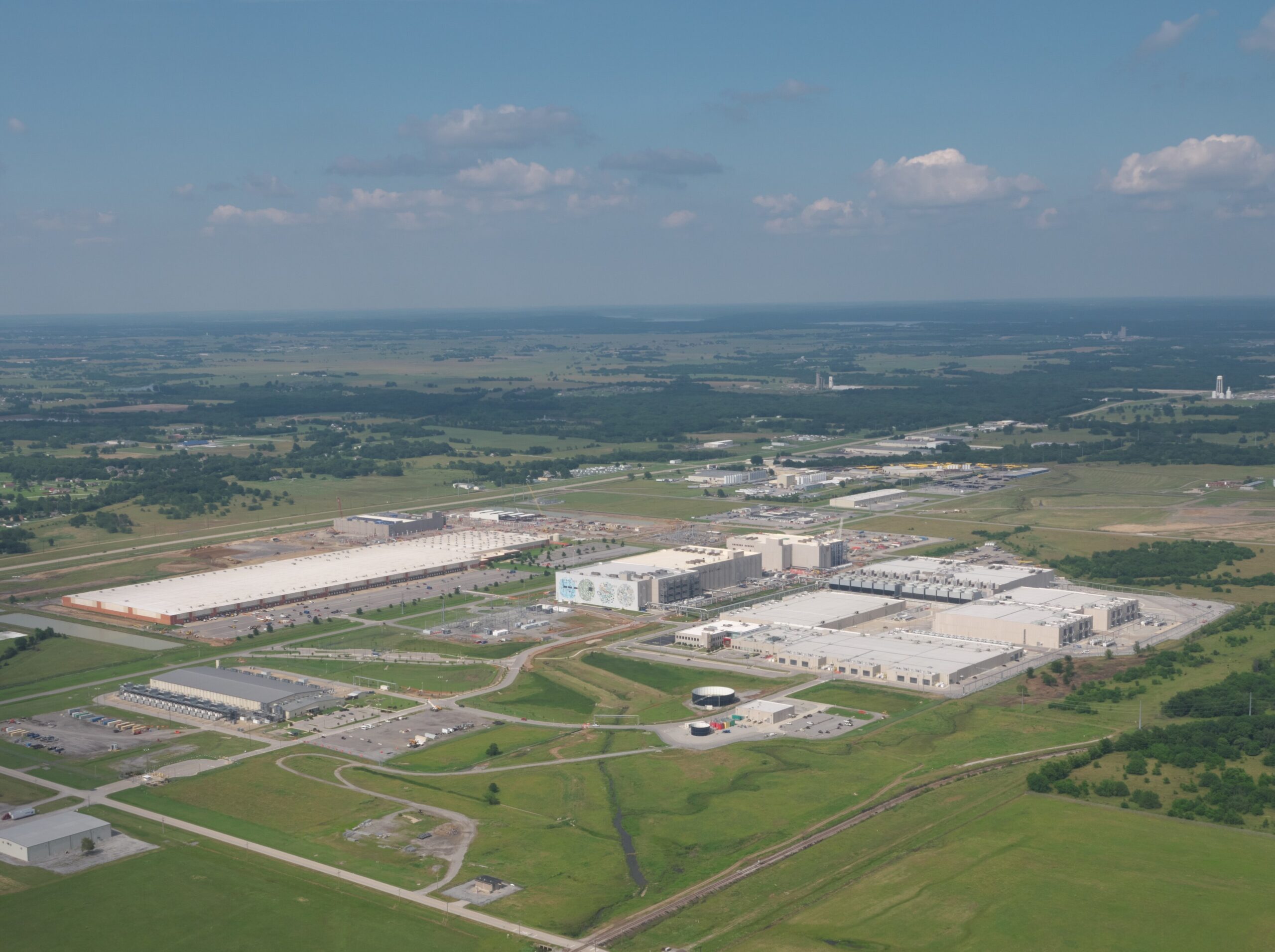
Governing the Grid
The data center boom has exposed decades of deferred choices about who plans and finances America’s electricity infrastructure
Brazil

Fiscal Democracy
How Lula’s third term has combined social spending, tax reforms, and fiscal stability to safeguard popular sovereignty

An Ungovernable Country
Luiz Carlos Bresser-Pereira analyzes the political and economic situation of Lula’s third term

Newsletters
The largest private-sector employers in the United States today are a mix of retail and parcel companies that have all built out sophisticated logistical operations. In the post-war era, the largest employers were all in manufacturing, and warehousing and distribution were both seen merely as supporting long production runs. In 1962, management theorist Peter Drucker referred to distribution as “the economy’s dark continent.” In a new monthly newsletter column, Benjamin Fong examines the employer behemoths of the twenty-first century—their business models, their management techniques, and the workers and worker organizing that populate their supply chains.

September 30, 2026
Analysis
Has the Autonomous Trucking Revolution Arrived?
Startups are adamant that autonomous technology will solve the safety issues in the trucking industry, but many questions remain

The Polycrisis is a monthly column on geopolitics and climate, by Tim Sahay and Kate Mackenzie. Follow The Polycrisis on Bluesky, LinkedIn, and Twitter, and on their website thepolycrisis.org where you can find the Polycrisis podcast, Electric World Order.

September 9, 2026
Analysis
Disaster and Constraint
How can Nepal and other countries facing climate catastrophe recover and rebuild amid rising borrowing costs and reduced aid?

Many of the processes that are reshaping the globe find stark expression in Latin America—the extraction of key minerals for green technologies, the transformation of vast tracts of land for monocrop agriculture, the ravages of climate catastrophe, the rise of the new right, and the dynamics of Great Power competition. Amidst the mixed legacies of twentieth-century global South development, the tensions and trends of the international political economy are now concentrated in the region.
In Meridional, a monthly newsletter column, Fernando Rugitsky takes his cues from Gramsci’s “meridional questions” to situate the latest developments in a planetary context.

September 25, 2026
Analysis
A National Champion
The meteoric rise of the meat processing multinational JBS and the politics of development in Brazil
Trade War

Trade Wars Are Class Wars
A discussion between Adam Tooze, Michael Pettis, and Matthew Klein

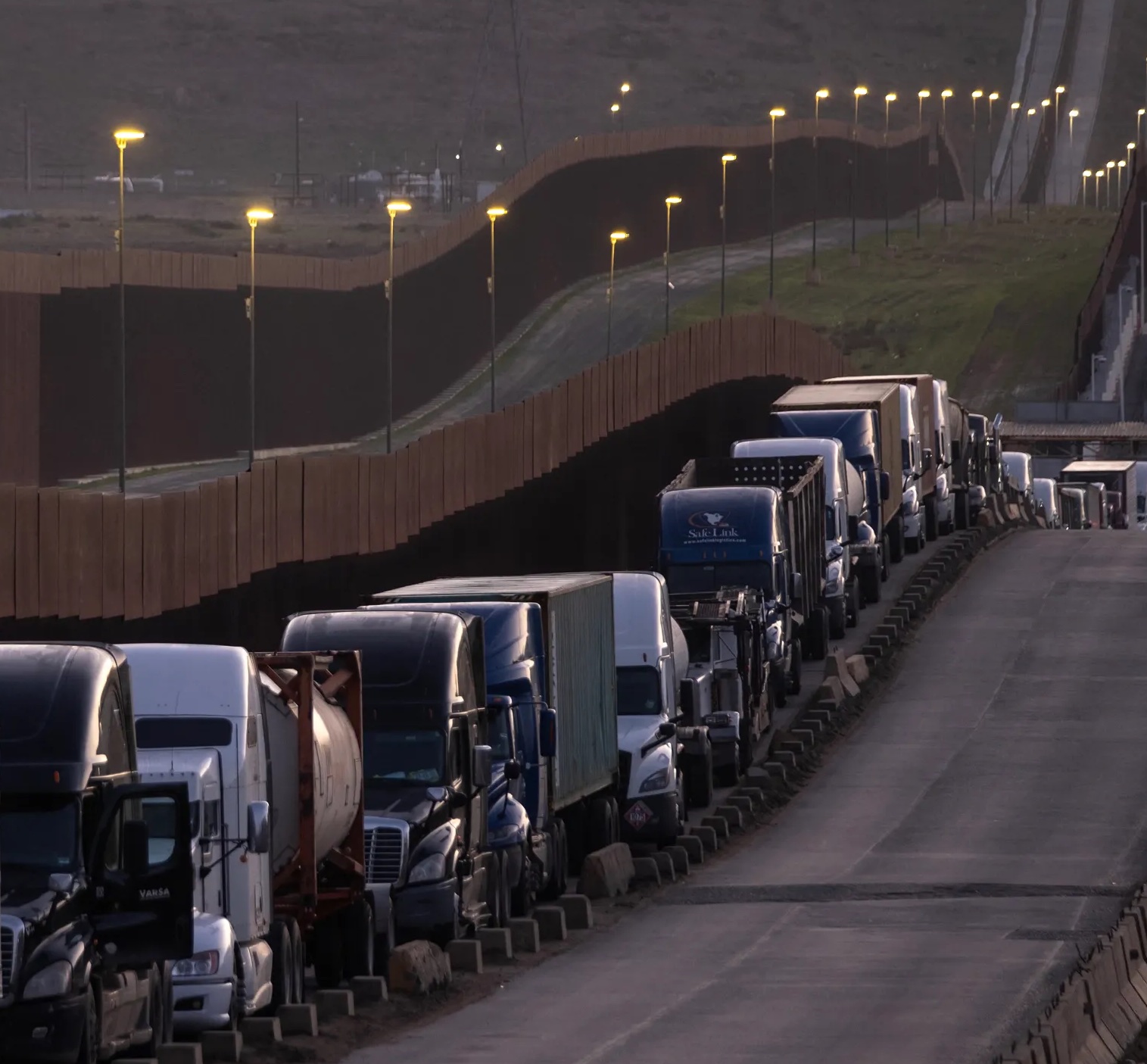
The Tariff Threat
Mexico’s fragile supply chains and North American trade policy

Lebanon



Normalization and the Future of the Middle East
An interview with Elham Fakhro on the Abraham Accords
New York City




Politics of the Price Level


More from the PW Archive
September 24, 2025
Analysis
The Anti-Climate Common Sense
How a new climate common sense was built and how Trump’s assault threatens its unraveling
March 26, 2026
Interviews
February 3, 2022
Analysis
Acute Dollar Dominance
The dollar system, original sin, and sovereign debt since the pandemic.
December 19, 2025
Analysis
May 23, 2025
Analysis
September 18, 2021
Analysis
December 20, 2022
Analysis
May 22, 2020
Interviews
December 12, 2024
Interviews
Political Investments
An interview with Thomas Ferguson on the 2024 US election
November 28, 2025
Analysis
After Boric
Assessing four years of Chile’s state-led development agenda
November 9, 2022
Analysis
A New Non-Alignment
How developing countries are flouting Western sanctions and playing the great powers off each other
June 3, 2023
Reviews
Supply-Side Coalitions
On Brent Cebul’s “Illusions of Progress: Business, Poverty, and Liberalism in the American Century”